The First-Date Planning Guide: Low-Pressure Venues, Accessibility, Budget, and Exit Plans
A good first date is mostly decided before you show up. This planning guide covers choosing low-pressure venues, building in accessibility, setting a budget, and having a graceful exit plan ready.
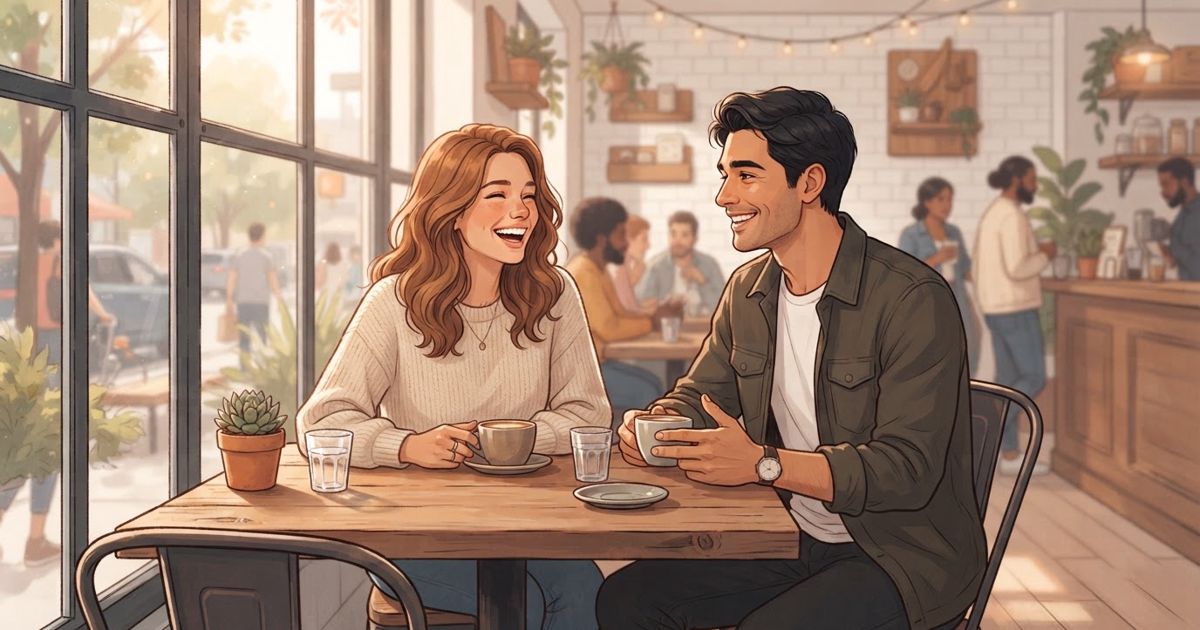
Table of contents
A good first date is mostly decided before either of you shows up. The venue, the timing, the budget, and your quiet plan to leave shape how relaxed you both feel — and relaxed is the state in which people actually connect. This is a planning guide, not a safety checklist, though the two overlap: good planning is what makes an exit plan feel natural instead of dramatic.
If your main worry is the safety mechanics of meeting a stranger, start with our safe first date checklist for meeting an online match in person. This guide picks up where that leaves off: how to design a first date that is low-pressure, considerate, affordable, and easy to end well.
Choose a low-pressure venue
The instinct to book somewhere impressive usually backfires. A long, formal dinner locks two near-strangers into hours of forced conversation across an intimidating table. If it clicks, great; if it doesn't, you're trapped through three courses.
Better first dates are short and sideways-facing:
- Coffee or a casual drink in a public, walkable spot. Low cost, easy to extend if it's going well, easy to wrap if it isn't.
- A walk somewhere pleasant and populated — a park, a market, a riverside. Movement eases nerves and gives you things to look at, so silences don't feel like failures.
- A shared low-stakes activity — a gallery, a small exhibition, a coffee-and-browse at a bookshop. Something to do takes the pressure off constant talking.
The common thread: public, flexible, and easy to leave. Save the ambitious dinner for when you already like each other.
Build accessibility into the plan
A considerate date accounts for how both people move through the world. You often won't know someone's needs in advance, so ask a simple, low-key question when you propose the plan: "Anywhere work best for you?" or "Any preferences on the spot?" It signals care and quietly surfaces anything that matters.
When you choose, keep a few things in mind:
- Getting there. Pick somewhere reachable by public transport or with easy parking, so neither person is stranded or dependent on the other for a ride.
- Physical access. Step-free entry, seating that isn't only high stools, and enough space to move comfortably widen who can actually enjoy the venue.
- Sensory load. A deafening bar makes conversation exhausting for everyone and impossible for some. A spot where you can hear each other is almost always the better call.
- Dietary ease. A place with a range of food and drink options means no one is stuck with nothing they can order.
None of this needs announcing. Thoughtful venue choice just quietly removes obstacles.
Set a budget before you go
Money stress leaks into a date and taints the mood. Decide privately what you're comfortable spending, and pick a venue that fits it — a casual first date rarely needs to be expensive, and choosing an affordable spot removes an entire layer of anxiety.
On paying: have a plan you're comfortable with, and don't assume the other person's expectations match yours. Offering to split is a safe, respectful default; if one person insists on treating, accept or decline graciously. The specific arrangement matters less than not letting a fumbling money moment sour an otherwise good evening. Keeping the stakes low financially also makes it painless to keep the date short if there's no spark.
Have a graceful exit plan
An exit plan is not pessimism — it's what lets you relax. When you know you can leave comfortably, you're free to actually enjoy yourself.
- Set a soft time boundary in your head, like "coffee, about an hour." A short default gives a natural, honest end point: "This was lovely — I should head off." No excuse required.
- Keep the first date self-contained. Arrange your own way there and back so you're never dependent on the other person to get home. This is both practical and, as the safety checklist notes, a real protection.
- Have a simple line ready to close things warmly if there's no connection: thank them, be kind, and go. You don't owe a second date, and dragging out a dead evening helps no one.
- If it's going well, the same short plan makes extending easy and flattering — "I was only going to stay for one, but this is fun."
The paradox of a good exit plan is that it makes staying more likely, because you never feel cornered.
Before you confirm
A little pre-date groundwork makes the plan sturdier. It's reasonable to confirm the person is who they say they are without making it weird — our guide on how to verify a match without being awkward and the option of a quick video call before meeting both help you show up to a first date that's already on solid footing.
The quiet checklist
- Venue: public, casual, easy to hear each other, easy to leave.
- Access: reachable, comfortable, and confirmed with a light "any preferences?"
- Budget: decided in advance; splitting as a respectful default.
- Exit: a soft time limit, your own transport, and a kind closing line ready.
Plan these four and you free up all your attention for the only thing a first date is really for: finding out whether you enjoy this person's company.