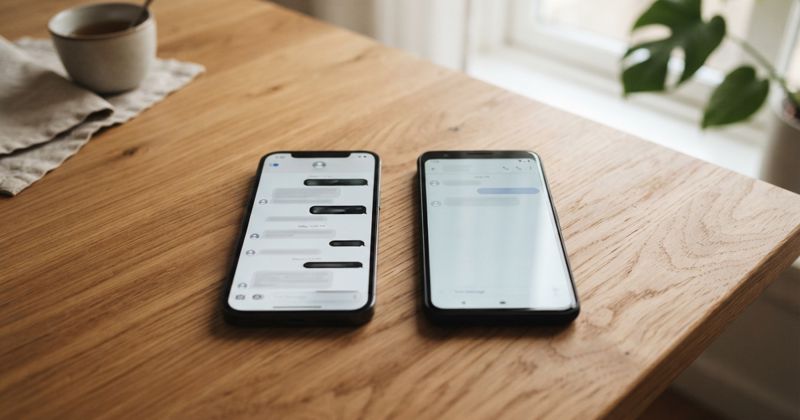
Video Dating in 2026: Why Singles Screen Matches on Camera Before Meeting
The pre-date video call has gone from awkward novelty to standard practice. Here's why singles are screening matches on camera first, how to run a good 15-minute video date, and the etiquette and downsides worth knowing before you hit "call."
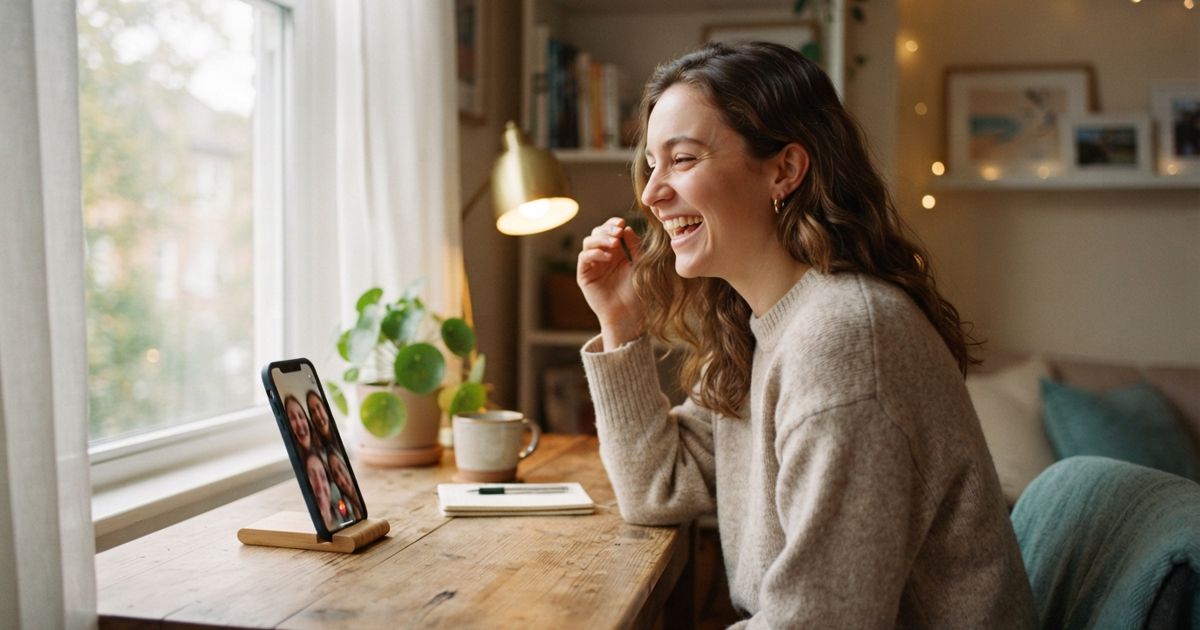
Table of contents
A few years ago, suggesting a video call before a first date felt slightly presumptuous, like asking for a background check. In 2026 it's closer to standard operating procedure. Somewhere between the endless texting and the real-world meetup, a new step has quietly become normal: the pre-date video or voice screen. If you've matched with someone and one of you says "want to hop on a quick call before we plan anything?", nobody blinks anymore.
This isn't just a pandemic hangover. Video screening stuck around because it solves real problems that text-only chat never could. Let's break down why it took off, how to actually do it well, and where it falls short.
Why video screening took off
Several pressures pushed video from optional to expected.
Safety and scam screening. The single biggest driver. Romance scams and catfishing keep getting more sophisticated, and a live, unscripted video call remains one of the fastest ways to confirm a person is who their photos claim. A real-time face that matches the profile, reacts naturally, and can't be a recycled stock image cuts through a lot of doubt. It's not foolproof, but it raises the effort bar for bad actors dramatically. This pairs well with other checks — see our guide on how to verify a match without making it awkward.
Saving time. Texting can hum along pleasantly for days and still collapse the moment you meet. Fifteen minutes on camera tells you more about someone's energy, humor, and conversational rhythm than a week of message pings. People got tired of investing a whole evening — travel, an outfit, a drinks tab — only to know within ninety seconds it wasn't going to work.
Chemistry as a real signal. Voice notes and video reveal cadence, warmth, and whether someone actually listens. Some people are witty over text and flat in person, or vice versa. Screening surfaces that mismatch early, before anyone's calendar or hopes are committed.
The apps made it easy. Most major platforms now offer in-app video and voice calling that never exposes your phone number, so there's no friction and no premature sharing of contact details. When the tool is one tap away inside the chat, using it stops feeling like a big ask.
How to run a good 15-minute video date
A screening call isn't a job interview and it isn't the date itself. Treat it as a short, warm, low-stakes hello. Fifteen to twenty minutes is the sweet spot — long enough to get a read, short enough that an early exit costs no one much.
Set up so you look and sound like yourself
- Light your face, not your back. Sit facing a window or a lamp. Backlighting turns you into a silhouette, which is a bad first impression and, ironically, reads as evasive.
- Raise the camera to eye level. Prop your phone or laptop up. Nobody's best angle is up-the-nostrils.
- Check your audio. Bad sound kills a call faster than bad video. Headphones or earbuds usually beat a laptop mic.
- Pick a quiet, neutral spot. A cafe with a wall of noise makes both people strain. Home is fine; just tidy the visible frame.
Bring a few openers, not a script
You want prompts that get someone talking, not yes/no dead ends. A handful that work well:
- "What's something you're into right now that you could talk about for an hour?"
- "What does a good weekend look like for you these days?"
- "What made you swipe right, honestly?"
- "Are you more of a plans person or a wing-it person?"
The goal is to hear how they think and whether the back-and-forth flows. Let silences breathe a little — filling every gap makes you both anxious.
Read chemistry on camera
Camera chemistry is real but different. Watch for whether they ask you questions back, whether they laugh at the same things, and whether the conversation builds or stalls. Do you leave energized or relieved it's over? Trust that gut read; it's usually right. Don't over-index on nerves, though — a first video call jitters plenty of otherwise great people.
Etiquette: keep it low-pressure
When to suggest it. After you've exchanged enough messages to feel a basic rapport — usually a day or two of good chat — but before you've built up an unrealistic fantasy. Suggesting it too early can feel intense; waiting too long wastes the time-saving benefit.
How to suggest it. Frame it as casual and mutual: "I'd rather not text for two weeks — want to do a quick video call this week and see if we click?" That signals intention without pressure and gives them an easy yes.
Respect a no or a not-yet. Some people are camera-shy or want to warm up over voice first. Offering a voice call as a middle step is a gracious compromise. If someone flatly refuses any live contact yet keeps pushing to meet or asks for money, treat that as a red flag, not shyness.
Keep it short and end cleanly. Say up front it's a quick one. If it's going well you can always extend; if it isn't, a planned 15-minute cap gives everyone a graceful exit. Follow up afterward either way — a simple "really enjoyed that, would love to grab coffee" or an honest "lovely chatting, I don't think we're a match" beats ghosting.
Privacy tips
- Use the in-app call feature rather than jumping to your personal number or a video app tied to your real name. Keep contact details for when you've decided to meet.
- Mind your background. Blur it or sit against a plain wall so you're not broadcasting your home layout, mail, or the view from your window.
- Don't screen-share or send anything sensitive. No document sharing, no financial talk, no intimate content on a screening call with a near-stranger.
- Assume nothing is truly private. Recording without consent is a genuine risk; behave as if the call could be captured, and never pressure the other person to do anything they'd regret being recorded.
The honest downsides
Video screening isn't magic, and pretending otherwise sets people up for disappointment.
Chemistry doesn't always translate. Plenty of couples who are electric in person are stiff and weird on camera. A flat video call can filter out someone you'd have adored across a table. Screening reduces bad dates, but it also produces false negatives. If a call is only lukewarm but nothing's wrong, one in-person meeting is often still worth it.
Camera awkwardness is a real tax. Some people freeze on video the way they never would face to face. Nerves, lag, talking over each other, not knowing where to look — the medium adds friction that has nothing to do with compatibility. Factor that in and be generous.
It can become another stalling tactic. For the chronically indecisive, "let's do another call first" becomes a way to postpone real-world risk indefinitely. At some point the point is to meet. If you've had a good call or two, plan the date.
Screening fatigue is real. Stacking video calls on top of swiping and texting adds yet another chore to dating. Use it selectively — for the matches you're genuinely considering meeting — not as a hoop every single match has to jump through.
The bottom line
A pre-date video call is one of the highest-return habits in modern dating: fifteen minutes that can save you a wasted evening, screen out fakes, and tell you far more than text ever will. Keep it short, warm, and low-pressure, protect your privacy, and don't let a case of camera nerves — yours or theirs — override an otherwise promising connection. When a call goes well, move it forward. Run through the safe first-date checklist for meeting an online match in person and go enjoy the part video was never meant to replace.
Sources
- Pew Research Center — Online dating in the U.S. pewresearch.org
- FTC Consumer Advice — What to know about romance scams consumer.ftc.gov
- Get Safe Online — Online dating safety advice getsafeonline.org