Why Photo Verification Matters — Its Limits, and the Extra Steps That Still Protect Users
A verified badge tells you the photos are probably of a real person who looks like their pictures. It does not tell you who that person is. Here is what verification does, what it can't do, and how to close the gap.
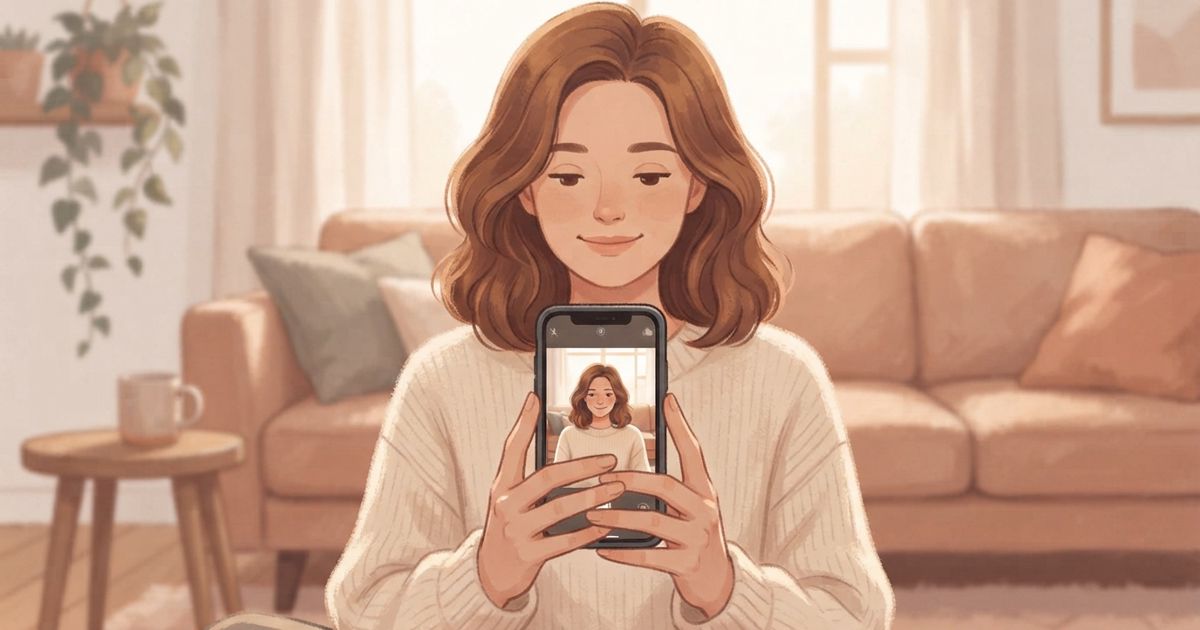
Table of contents
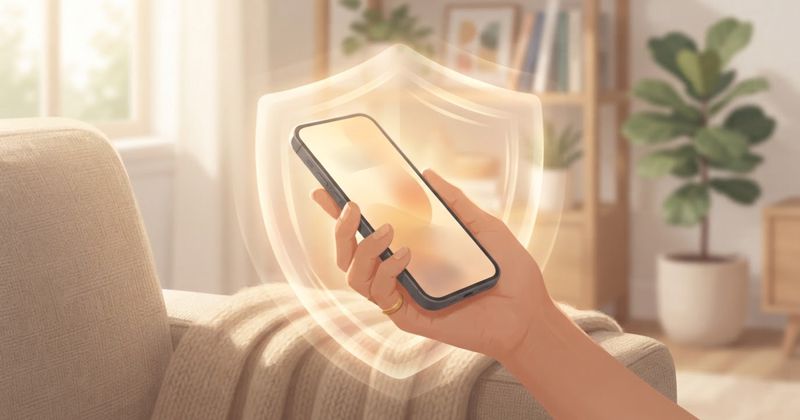
Photo verification has become one of the most reassuring features on modern dating apps. That little badge next to a name lowers your guard — and mostly, it should. But it reassures more than it proves, and understanding the gap between the two is what actually keeps you safe. Verification is a useful first filter, not a guarantee.
What photo verification actually does
The common mechanism is a live selfie check: the app asks the user to copy a specific pose or gesture on camera in real time, then compares that live capture against the photos on their profile. When it passes, you can reasonably conclude two things:
- The profile photos are of a real person, not stock images or someone else's pictures pulled from the web.
- That person actually looks like their photos — the pictures aren't of a wildly different, more attractive stranger.
That's genuinely valuable. It defeats the laziest and most common form of catfishing, where a scammer uploads borrowed or generated images. Preferring verified profiles is a sound habit, and our safety rankings weigh how seriously each app takes this.
What it does not do
Here's the limit that matters: verification confirms a face, not an identity. A verified badge tells you the person on camera matches the photos. It tells you nothing about:
- Who they really are — their real name, age, relationship status or intentions. A real face can sit behind a completely fabricated life story.
- Whether they're honest. Scammers can and do verify. Confirming that a person exists and looks like their pictures says nothing about whether the sob story, the investment tip, or the "I'm working overseas" line is true.
- Whether they're safe to meet. No selfie check screens for someone's history or behaviour.
In other words, verification kills the fake photo but not the fake person. Romance scammers have adapted — they'll happily verify a real face while running an entirely false story. Our breakdown of AI-era romance scams shows how the fraud has moved from fake images to fake narratives precisely because the image checks got better.
The false-confidence trap
The real danger of verification is psychological. The badge feels like a green light, and people relax the sensible caution they'd otherwise apply. That's backwards. Verification should move a profile from "probably fake" to "worth talking to carefully" — not to "trusted." Treat it as clearing the lowest bar, not as a character reference.
The extra steps that close the gap
Because verification only confirms a face, you layer other checks on top. None is exotic; together they cover what the badge can't.
-
Move to a live video call before meeting. A short video chat confirms the verified face is the person you've actually been talking to, in real time, unscripted. It's the single most effective step, and our guide to verifying a match without awkwardness shows how to ask for it naturally.
-
Watch the story for consistency. Over several conversations, do the details hold together? Scammers slip — the timeline shifts, the job changes, the reason they can never call keeps mutating. Consistency across time is something no single verification check can fake.
-
Notice the classic pressure patterns. Any push toward money, gift cards, crypto, or moving to an off-platform chat "where it's more private" is a warning regardless of a verified badge. Verified scammers still ask for money. Our red-flag guide covers exactly when to delete, report or block.
-
Do your own light cross-check. A reverse image search on their photos and a quick look for a consistent presence elsewhere can catch stories that don't add up — verified face or not.
-
Keep the first meeting public and independent. Meet somewhere public, arrange your own transport, and tell a friend where you'll be. The safe first-date checklist walks through the whole routine. This step protects you even when everything earlier checked out.
How to hold it in your head
Think of photo verification as the lock on a front door. A lock is worth having, and you should prefer a house that has one. But you still don't hand a stranger your keys because the door locks. Verification confirms the face is real; your own steps — a video call, a consistent story, no money, a public first meeting — confirm the person is safe. Keep both, and the badge becomes what it should be: a helpful start, not the finish line.